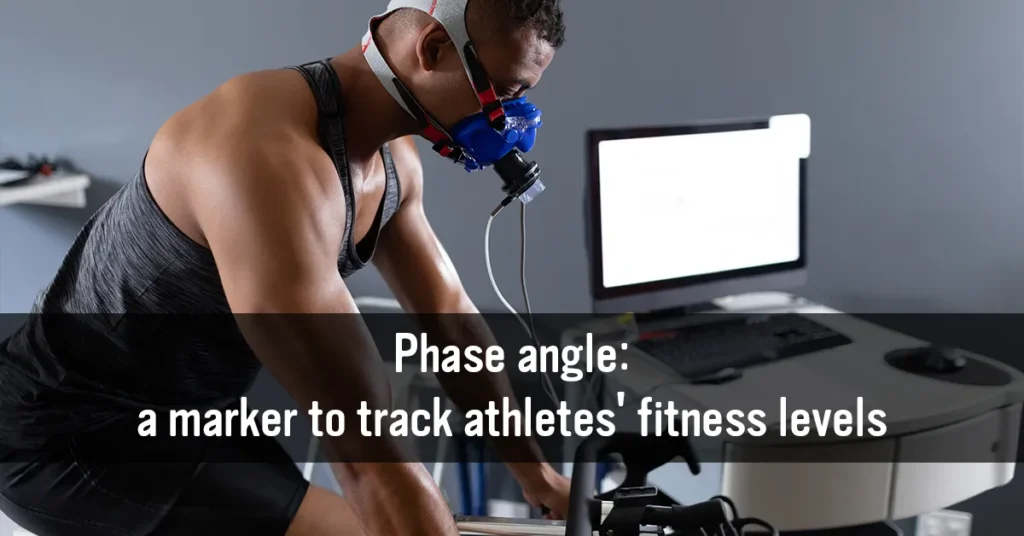

Obesity assessment has evolved beyond the body mass index (BMI). Today, bioimpedance spectroscopy (BIS) is positioned as an emerging standard for characterizing body composition and guiding therapeutic adherence. Its ability to go beyond the BMI, by calculating parameters such as the Fat Mass Index (FMI), Fat-Free Mass Index (FFMI), phase angle (PA), capacitance, and impedance ratio (Z200/Z5), enables a more precise and motivating clinical approach for the patient.
From Quetelet to the composite BMI (FMI + FFMI)
The Quetelet index (BMI) has been questioned for its inability to differentiate between fat mass and lean mass, limiting its clinical utility in the individual assessment of obesity. In its 2025 report, the Lancet Diabetes & Endocrinology Commission proposed a new diagnostic framework recognizing obesity as a heterogeneous and multifactorial condition, highlighting the need to incorporate metrics reflecting both body fat quantity and muscle mass and tissue quality. This approach seeks to overcome the simplistic view of body weight and move towards more comprehensive indicators to guide clinical decisions with greater precision and metabolic relevance (The Lancet, 2025).
Complementarily, ASPEN (2025) emphasized the importance of identifying sarcopenic obesity, a phenotype characterized by excess fat and lean mass deficit, associated with a higher risk of metabolic complications and lower response to bariatric surgery.
Bioimpedance spectroscopy (BIS) becomes the practical tool to operationalize these recommendations, as it allows calculating FMI and FFMI. In bariatric patients, this ability to distinguish whether weight loss corresponds to fat, muscle, or water strengthens treatment adherence and optimizes postoperative recovery, especially when integrated into platforms like BiodyManager.
Monitoring in the era of GLP-1 antagonists
Currently, obesity treatments with GLP-1 antagonists such as semaglutide and tirzepatide are commonplace; however, scientific evidence shows that weight loss induced by these drugs is not limited to body fat.
Studies like the post hoc analysis of the SURPASS-3 MRI trial (The Lancet Diabetes & Endocrinology, 2025) show that substantial weight reduction with tirzepatide is accompanied by muscle mass loss, while recent reviews indicate there may also be a decrease in total body water (Saeed & Apovian, 2025). This situation raises the risk of some patients progressing towards a condition of sarcopenia or sarcopenic obesity, as warned by ASPEN in its 2025 guidelines.
A way to prevent and understand what is happening is the use of FMI and FFMI, which allows knowing the quality of weight loss and its impacts on cellular health. Recent literature (Sattar et al., 2025; González Luis et al., 2025) has corroborated that GLP-1 agonists/antagonists produce body composition changes including a reduction in lean mass and total body water, and that the use of BIS with parameters such as FMI, FFMI, phase angle, and the Z200/Z5 ratio is essential to interpret the quality of that weight loss.
Phase angle and capacitance: metabolic predictors
In bioimpedance spectroscopy analysis, the phase angle (PA) has been consolidated as a bioelectrical marker of cellular integrity and nutritional status. Its value reflects the relationship between resistance and reactance, and therefore the ability of membranes to maintain ionic gradients and metabolic processes.
Clinical studies have shown that low PA values are associated with systemic inflammation, higher complication risks, and worse prognosis in patients with obesity and chronic diseases. Norman et al. (2022) documented that PA predicts adverse outcomes and mortality in hospital populations, while Ramos da Silva et al. (2023) describe it as an early indicator of cellular health and tissue functionality, reinforcing its role as a metabolic parameter beyond body composition.
Complementarily, capacitance derived from bioelectrical spectroscopy reflects the cell membrane’s ability to store electrical charge, a parameter directly related to tissue quality and functionality. Reduced capacitance, especially below 0.90, has been linked to a higher risk of insulin resistance and alterations in metabolic homeostasis. Barbosa Silva et al. (2020) reported that decreased capacitance is associated with metabolic dysfunction and insulin resistance risk in obese patients. This finding makes capacitance an early marker of metabolic dysfunction, useful for identifying at-risk patients before they develop evident clinical complications.
The integration of PA and capacitance in clinical practice through BIS positions this technology as a tool for preventive and precision medicine, capable of anticipating metabolic risks and guiding personalized interventions.
Impedance ratio (Z200/Z5): clinical sensitivity
The impedance ratio (Z200/Z5) constitutes a sensitive parameter for evaluating intra and extracellular fluid distribution. At low frequencies, the current primarily passes through the extracellular space, while at high frequencies it also penetrates the intracellular compartment; therefore, an altered ratio reflects water imbalances and changes in membrane integrity.
n obese patients, this indicator has proven useful for detecting subclinical edema and fluid composition alterations, conditions that may go unnoticed with traditional metrics like BMI or body weight. Recent clinical bioimpedance literature points out that variations in this ratio are associated with poorer therapeutic response and a distorted perception of progress by the patient, since weight loss may correspond to water and not necessarily to fat or lean mass (Kyle et al., 2019; Lukaski, 2020).
Integrating Z200/Z5 into monitoring makes BIS a tool of advanced clinical sensitivity, capable of anticipating risks and optimizing the interpretation of results in modern bariatric and pharmacological programs.
SMM/W ratio (skeletal muscle mass/weight)
The SMM/W ratio has become a central criterion for diagnosing sarcopenic obesity. This index adjusts skeletal muscle mass to total body weight, allowing the identification of situations where excess fat hides a significant reduction in muscle.
International evidence indicates that a low SMM/W value reflects an imbalance between adipose tissue and lean mass, a condition that increases the risk of insulin resistance, frailty, and metabolic complications. The European Society for Clinical Nutrition and Metabolism (ESPEN) and the European Association for the Study of Obesity (EASO) explicitly recommend the use of SMM/W as a diagnostic criterion to detect low muscle mass in obese patients (Thibault et al., 2025; ESPEN/EASO Consensus, 2023).
In the treatment of sarcopenic obesity, monitoring SMM/W provides clinical sensitivity by differentiating whether weight loss induced by bariatric surgery or GLP-1 antagonists corresponds to fat or compromises muscle mass. A reduced ratio warns of the risk of progression towards frailty and lower therapeutic response, while its preservation indicates a favorable balance between fat reduction and muscle maintenance.
Integrating this parameter alongside FMI, FFMI, phase angle, and capacitance turns bioimpedance spectroscopy into a precision medicine tool, capable of anticipating outcomes and guiding personalized strategies to prevent obesity treatment from leading to sarcopenia.
Integration with BiodyManager (Aminogram)
The BiodyManager software, when integrated with devices like the Biody Xpert ZM3, allows visualizing these parameters in real-time on clinical dashboards. The professional can show evolution graphs of FMI, FFMI, PA, capacitance, and the IR and SMM/W ratios, transforming complex data into clear evidence for the patient. This transparency strengthens adherence, as it turns the assessment into a participatory and motivating process.
Conclusion
Bioimpedance spectroscopy is not just a body composition technique; it is a therapeutic adherence instrument. By offering advanced indicators (FMI, FFMI, PA, C, IR, SMM/W), it allows personalizing treatment, anticipating metabolic risks, and motivating the obese patient in their change process. In the era of bioelectrical medicine and precision nutrition, BIS represents the bridge between science and everyday clinical practice.
References
- ASPEN. (2025). Clinical guidelines for sarcopenic obesity management. Journal of Parenteral and Enteral Nutrition, 49(1), 15–28.
- Barbosa Silva, T. G., et al. (2020). Capacitance and bioelectrical impedance parameters as predictors of insulin resistance in obesity. Nutrition & Diabetes, 10(1), 12–19.
- ESPEN/EASO Consensus Statement. (2023). Diagnostic criteria for sarcopenic obesity: skeletal muscle mass adjusted by weight (SMM/W). Clinical Nutrition, 42(5), 915–923.
- Fichet, M., Le Pabic, E., Lacaze, L., et al. (2025). Altered body composition in obesity: prevalence, associated factors and comparison of diagnostic methods. Clinical Nutrition, 44(1), 147–154.
- González Luis, A., Llinares Arvelo, V., Martínez Alberto, C. E., et al. (2025). Glucagon like peptide 1 receptor agonists and muscle health: potential role in sarcopenia prevention and treatment. European Journal of Endocrinology, 193(5), R31–R44.
- Kyle, U. G., Bosaeus, I., De Lorenzo, A., et al. (2019). Bioelectrical impedance analysis—part II: utilization in clinical practice. Clinical Nutrition, 38(3), 1237–1249.
- Lukaski, H. C. (2020). Applications of bioelectrical impedance analysis: critical review of accuracy in clinical settings. Nutrition, 69, 110548.
- Norman, K., et al. (2022). Phase angle and its association with clinical outcomes in obesity and metabolic disease. Clinical Nutrition, 41(3), 567–574.
- Ramos da Silva, R., et al. (2023). Phase angle as a marker of cellular health and nutritional status: implications for metabolic disorders. Reviews in Endocrine and Metabolic Disorders, 24(2), 189–198.
- Saeed, Z. I., & Apovian, C. M. (2025). Semaglutide and Tirzepatide for the Treatment of Obesity and Weight Related Comorbidities: A Narrative Review. Current Atherosclerosis Reports, 28(2).
- Sattar, N., Neeland, I. J., Dahlqvist Leinhard, O., et al. (2025). Tirzepatide and muscle composition changes in people with type 2 diabetes (SURPASS 3 MRI): a post hoc analysis. The Lancet Diabetes & Endocrinology, 13(6), 482–493.
- The Lancet Diabetes & Endocrinology Commission. (2025). Obesity: a new clinical framework for diagnosis and management. The Lancet Diabetes & Endocrinology, 13(1), 1–15.