

Key points
- Malnutrition is a dynamic state: it can appear, worsen or improve during hospitalization, whatever the initial nutritional status 1,2.
- Body composition assessment provides complementary information when weight is difficult to interpret during hospitalization 3,4.
- Resistance, reactance, phase angle and the impedance ratio (IR) are direct electrical measurements obtained by BIA, independent of predictive equations 5,6.
- The phase angle can be used to monitor the progression of a disease or the effect of an intervention 6.
- A high IR has been associated with a poorer nutritional status and more marked inflammation, and has proven to be an independent predictive factor of overall and cardiovascular mortality 7.
- The muscle mass and fat-free mass indices estimated by classical BIA (e.g. FFMI, ASMI) have diagnostic cut-offs proposed by GLIM, ESPEN and the HAS 1–4,8.
- BIVA simultaneously assesses hydration and soft tissue mass, without resorting to body weight or predictive equations, and helps distinguish a loss of water from a loss of tissue 9.
- Standardized measurement conditions are necessary to obtain reliable, reproducible and accurate results 5.
- The main limitations of BIA stem from the predictive equations used to estimate the body compartments; the raw electrical measurements, obtained under standardized conditions, make it possible to overcome these limitations.
- Further research is needed to develop algorithms specific to each pathology, in order to facilitate the interpretation of the electrical data by clinicians.
Why monitor nutritional status during the hospital stay?
Malnutrition is a dynamic state: it can appear, worsen or improve during hospitalization, whatever the initial nutritional status 1,2.
1. Hospitalization can lead to malnutrition. The incidence of hospital-acquired malnutrition reaches approximately 22 % in prospective studies and 26 % in acute care 10. In a recent cohort, 28 % of patients who were well nourished at admission became malnourished during their stay 11. Screening performed only at admission therefore does not make it possible to identify them.
2. Nutritional decline worsens the prognosis. It is associated with a longer stay (median 34 versus 26 days) and a three times higher risk of other hospital complications (OR 3.07) 11. Conversely, nutritional support reduces mortality in at-risk patients 12.
3. This decline is partly preventable. The absence of appropriate nutritional care during the first week is an independent predictive factor of this decline (OR 2.3) 11. Regular monitoring allows early intervention and a shift from a logic of observation to a logic of prevention.
4. The recommendations require it.
- HAS: reassessment at least weekly in the hospital 1,2. In older adults, the hospitalization report must mention the admission and discharge weight, as well as the diagnosis of malnutrition and its severity 2.
- ESPEN: weekly monitoring in the case of complicated postoperative courses 13.
- NutritionDay: many patients are unaware of the extent of their recent weight loss, which justifies regular weighing during hospitalization 14.
5. Weight alone is not enough. Edema and fluid variations distort weight and BMI, particularly in cases of heart, kidney or liver failure 3. Muscle loss can then go unnoticed behind a stable weight, hence the interest of monitoring body composition 3–5.
How to monitor nutritional status in the hospital: BIA and BIVA
Why integrate it?
During hospitalization, weight can be difficult to interpret, notably because variations in hydration can mask a negative nutritional balance. Body composition assessment then provides complementary information. A stable weight, or even an increasing one, can result from fluid retention that masks a loss of soft tissue, which neither weight nor BMI make it possible to detect. Furthermore, BIA is among the methods recognized by GLIM for the diagnosis of malnutrition 3,4.
What to look at?
1. The raw parameters. Resistance, reactance, phase angle and the impedance ratio (IR) are direct electrical measurements, independent of predictive equations 5,6.
The phase angle, measured at 50 kHz, reflects the integrity of cell membranes and body cell mass 5,6. It does not make it possible to establish a diagnosis, but it does make it possible to monitor the progression of a disease or the effect of an intervention. Since a low value can reflect fluid overload as much as malnutrition, it must be interpreted according to the clinical context 6.
The IR, the ratio between the impedance at 200 kHz and the impedance at 5 kHz (Z200/Z5), remains clearly below 1 in healthy subjects. It tends toward 1 when cell membranes become altered and fluids shift toward the extracellular space 6,7,15. It varies in the opposite direction to the phase angle (r from −0.86 to −0.98) 15. It is higher in patients than in healthy subjects (approximately 0.85 versus 0.80) 15, and lower in athletes than in the general population 16. In 493 hemodialysis patients, a high IR was associated with a poorer nutritional status and more marked inflammation, and was an independent predictive factor of overall and cardiovascular mortality 7. In intensive care and in oncology, its prognostic value is comparable to that of the phase angle 6.
2. BIVA (bioelectrical impedance vector analysis). BIVA represents, in vector form, the resistance and the reactance measured at 50 kHz and normalized to height (R/H, Xc/H). It uses neither equations nor body weight 9,17. This vector is compared with the tolerance ellipses (50 %, 75 % and 95 %) of a reference population 18. The displacement of the vector provides information on the cell mass of the soft tissues and on the hydration status (Fig. 1) 9,18.
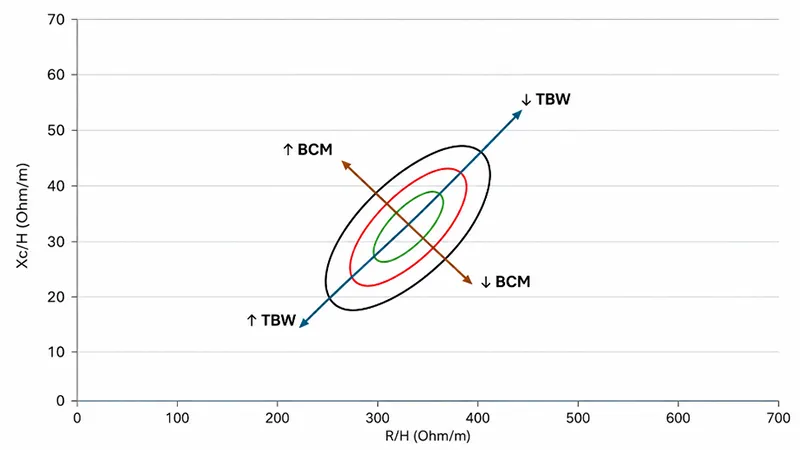
Fig. 1 – BIVA representation on the RXc graph.
Tolerance ellipses at 50 %, 75 % and 95 % of a reference population. BCM: body cell mass; TBW: total body water.
In hospitalized patients, BIVA simultaneously assesses hydration and soft tissue mass, whatever the clinical situation, and distinguishes a loss of water from a loss of tissue 9. It also complements the phase angle: at an equal angle, the length of the vector provides information on the hydration status 6.
3. Classical BIA. It estimates the body compartments using equations, and the values obtained are then compared with the cut-offs of GLIM, of ESPEN or of the HAS 1–3,8. The results depend on the equation used 5.
How to measure
- Use a phase-sensitive device for the phase angle and for impedance, reactance, resistance and BIVA, and a multifrequency device for the IR 6,19.
- Use the same device, the same software, the same equation and the same mode of analysis at each measurement 5.
- Keep the same type of electrodes and the same positioning 5,6.
- Measure under the same conditions: same time, same position, same room temperature and same fasting state 5.
- Record the presence of edema, ascites and metal implants 5.
How to interpret
- Start with the raw parameters (phase angle, IR), then BIVA to assess hydration and cell mass, and finally the estimates of classical BIA 5,6,9.
- Consider the absolute values, compared with references adapted to age, sex and device, as well as their changes over time 6,18–20.
- Always interpret the results in the clinical context 5.
Limitations
- Deviation from the reference population. The accuracy of the BIA predictive equations decreases when the patient's characteristics differ from those of the population in which these equations were developed 5. Caution is therefore required in extreme situations, such as severe fluid imbalance or overload, intensive care or severe cachexia, when no specific equation is available 5,21.
- Low specificity of the phase angle. A low phase angle can reflect malnutrition, fluid overload or inflammation 6.
- Distribution of extracellular water. BIVA does not make it possible to distinguish either the intravascular fluid from the interstitial fluid within the extracellular compartment, or the anatomical location of this fluid 5,21.
- Comparability. The measurements are not interchangeable from one device to another, whether for the phase angle, the IR or BIVA. The same device should therefore be used throughout the monitoring 5,6,19,22.
Malnutrition, a quality of care issue: current perspectives
To date, there is no specific consensus definition of hospital malnutrition. The Haute Autorité de santé (HAS) defines malnutrition as a state of nutritional imbalance characterized by a negative energy and/or protein balance 1,2. In the hospital setting, it is generally related to disease, with or without inflammation 23. Its diagnosis can be based on the GLIM criteria, which combine phenotypic and etiologic criteria 3,24.
Malnutrition can be present from admission or appear during the stay. This is then referred to as hospital-acquired malnutrition (HAM). Its definition varies between studies, mainly due to different diagnostic criteria and assessment timeframes 10.
Several health systems now actively measure malnutrition and its management within their quality of care assessment frameworks, in order to track the performance of institutions and to drive improvement initiatives 25,26.
In Australia, malnutrition is one of the 16 hospital-acquired complications (Hospital-Acquired Complications, HAC) tracked at the national level. Malnutrition appearing during the stay is therefore considered there a preventable complication, targeted by prevention and risk reduction strategies 25. In the United States, the Global Malnutrition Composite Score (CMS986) has been assessing since 2024 the quality of the nutritional care of hospitalized patients aged 65 years and over. Renamed the Malnutrition Care Score, it has applied since 2026 to all adults aged 18 years and over 26. While it does not specifically target hospital-acquired malnutrition, it makes nutritional care a measurable indicator of the quality of care.
This movement remains recent and uneven. Hospital-acquired malnutrition remains difficult to measure, due to the lack of consensus on its definition, its diagnostic criteria and the assessment timeframe 10. Remedying this will require objective and repeatable measurements of nutritional status throughout the stay. A standardized assessment of body composition, based in particular on the raw parameters of BIA and on BIVA, could contribute to this objective and help make hospital malnutrition, today recognized as a concern, a measurable and preventable event.
References
- Haute Autorité de santé, Fédération française de nutrition. Diagnostic de la dénutrition de l'enfant et de l'adulte. Recommandation de bonne pratique ; 2019. Voir aussi : Delarue J, Desport JC, Dubern B, et al. Prat Nutr. 2020;16(63):28-33.
- Haute Autorité de santé, Fédération française de nutrition. Diagnostic de la dénutrition chez la personne de 70 ans et plus. Recommandation de bonne pratique ; 2021.
- Jensen GL, Cederholm T, Correia MITD, et al. GLIM consensus approach to diagnosis of malnutrition: a 5-year update. JPEN J Parenter Enteral Nutr. 2025;49:414-427. doi:10.1002/jpen.2756
- Barazzoni R, Jensen GL, Correia MITD, et al. Guidance for assessment of the muscle mass phenotypic criterion for the Global Leadership Initiative on Malnutrition (GLIM) diagnosis of malnutrition. Clin Nutr. 2022;41(6):1425-1433. doi:10.1016/j.clnu.2022.02.001
- Prado CM, Gonzalez MC, Norman K, et al. Methodological standards for body composition assessment – an expert-endorsed guide for research and clinical applications. Am J Clin Nutr. 2026;123:101283.
- Lukaski HC, Kyle UG, Kondrup J. Assessment of adult malnutrition and prognosis with bioelectrical impedance analysis: phase angle and impedance ratio. Curr Opin Clin Nutr Metab Care. 2017;20(5):330-339. doi:10.1097/MCO.0000000000000387
- Demirci C, Aşcı G, Demirci MS, et al. Impedance ratio: a novel marker and a powerful predictor of mortality in hemodialysis patients. Int Urol Nephrol. 2016;48(7):1155-1162. doi:10.1007/s11255-016-1292-1
- Cederholm T, Bosaeus I, Barazzoni R, et al. Diagnostic criteria for malnutrition – an ESPEN consensus statement. Clin Nutr. 2015;34(3):335-340.
- Di Somma S, Lukaski HC, Codognotto M, et al. Consensus paper on the use of BIVA (Bioelectrical Impedance Vector Analysis) in medicine for the management of body hydration. Emerg Care J. 2011;7(4):6-14. doi:10.4081/ecj.2011.4.6
- Botero L, Young AM, Banks MD, Bauer J. Incidence and criteria used in the diagnosis of hospital-acquired malnutrition in adults: a systematic review and pooled incidence analysis. Eur J Clin Nutr. 2023;77(1):23-35. doi:10.1038/s41430-022-01141-2
- Botero L, Banks MD, Gordon EH, Bauer J, Young AM. Incidence and outcomes of in-hospital nutritional decline: a prospective observational cohort study in adult patients. Clin Nutr. 2024;43(5):1057-1064. doi:10.1016/j.clnu.2024.03.014
- Schuetz P, Fehr R, Baechli V, et al. Individualised nutritional support in medical inpatients at nutritional risk: a randomised clinical trial. Lancet. 2019;393(10188):2312-2321.
- Weimann A, Bezmarevic M, Braga M, et al. ESPEN guideline on clinical nutrition in surgery – Update 2025. Clin Nutr. 2025;53:222-261.
- Ostrowska J, Sulz I, Tarantino S, Hiesmayr M, Szostak-Węgierek D. Hospital malnutrition, nutritional risk factors and elements of nutritional care in Europe: comparison of Polish results with all European countries participating in the nDay survey. Nutrients. 2021;13(1):263.
- Rinninella E, Cintoni M, Addolorato G, et al. Phase angle and impedance ratio: two specular ways to analyze body composition. Ann Clin Nutr. 2018;1:1004.
- Kapica D, Warchulińska J, Jakubiak M, et al. Tissue electrical properties measured by bioelectrical impedance analysis among healthy and sportsmen population. Proc SPIE. 2015;9662:96621K. doi:10.1117/12.2205299
- Piccoli A, Rossi B, Pillon L, Bucciante G. A new method for monitoring body fluid variation by bioimpedance analysis: the RXc graph. Kidney Int. 1994;46(2):534-539.
- Campa F, Coratella G, Cerullo G, et al. New bioelectrical impedance vector references and phase angle centile curves in 4,367 adults: the need for an urgent update after 30 years. Clin Nutr. 2023;42:1749-1758. doi:10.1016/j.clnu.2023.07.025
- Kuchnia AJ, Teigen LM, Cole AJ, et al. Phase angle and impedance ratio: reference cut-points from the United States National Health and Nutrition Examination Survey 1999–2004 from bioimpedance spectroscopy data. JPEN J Parenter Enteral Nutr. 2017;41(8):1310-1315. doi:10.1177/0148607116670378
- Campa F, Annunziata G, Barrea L, et al. Bioelectrical impedance vector analysis in older adults: reference standards from a cross-sectional study. Front Nutr. 2025;12:1640407. doi:10.3389/fnut.2025.1640407
- Jara-Vidal M, Gonzalvo-Díaz C, Gallach-Martínez M, et al. Interpreting body composition in disease-related malnutrition beyond kilograms and liters: consistency of bioelectrical impedance vector analysis scores (NP and HP) with classical bioimpedance estimates. Endocrinol Diabetes Nutr. 2026 (sous presse). doi:10.1016/j.endinu.2026.501827
- Alfaro-Martínez JJ, Primo-Martín D, Gonzalvo-Díaz C, et al. Beyond vectorial bioelectrical impedance: assessing body composition changes with novel electrical parameters in obese osteoarthritis patients on a meal-replacement diet. Endocrinol Diabetes Nutr. 2025 (sous presse). doi:10.1016/j.endinu.2025.501644
- Cederholm T, Barazzoni R, Austin P, et al. ESPEN guidelines on definitions and terminology of clinical nutrition. Clin Nutr. 2017;36(1):49-64.
- Cederholm T, Jensen GL, Correia MITD, et al. GLIM criteria for the diagnosis of malnutrition – a consensus report from the global clinical nutrition community. Clin Nutr. 2019;38(1):1-9.
- Australian Commission on Safety and Quality in Health Care. Hospital-Acquired Complications (HACs) List – Specifications. Version 3.2 (13th edn). Sydney: ACSQHC; 2025.
- eCQI Resource Center. Malnutrition Care Score (CMS986v5). 2026 reporting period. Academy of Nutrition and Dietetics; 2026.