Aminogram supports healthcare professionals with advanced body composition analysis solutions, essential for optimized patient care.
Facing lifestyle-related pathologies, our technology provides precise and reliable data for diagnosis, prevention, treatment, and clinical monitoring. By finely assessing nutritional and hydration status, it facilitates informed decision-making, improves care efficiency, and optimizes resource management.
Present in numerous medical environments, our solutions are used for screening, assessment, and monitoring of varied pathologies: obesity, bariatrics, functional rehabilitation, dietetics, etc.
Why measure body composition in clinical nutrition
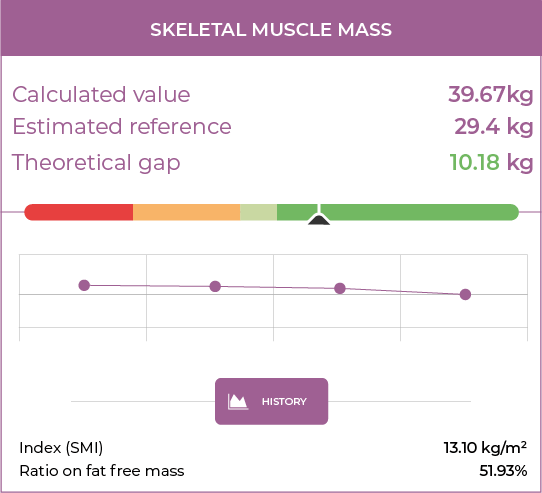
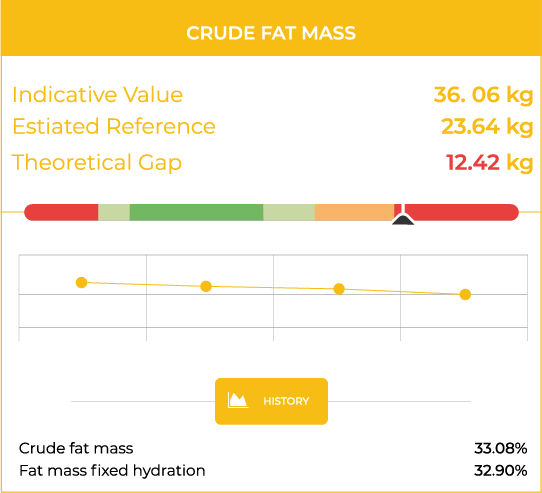
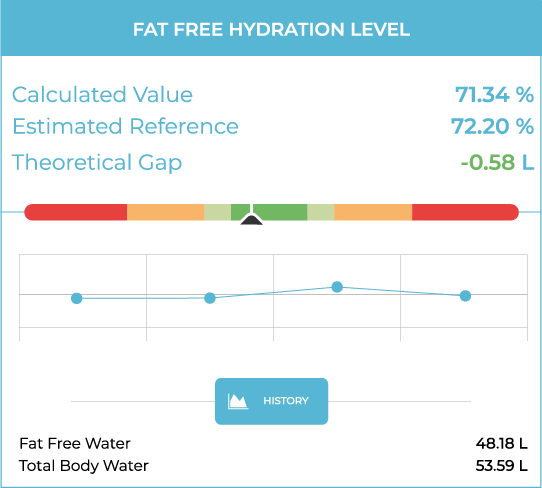
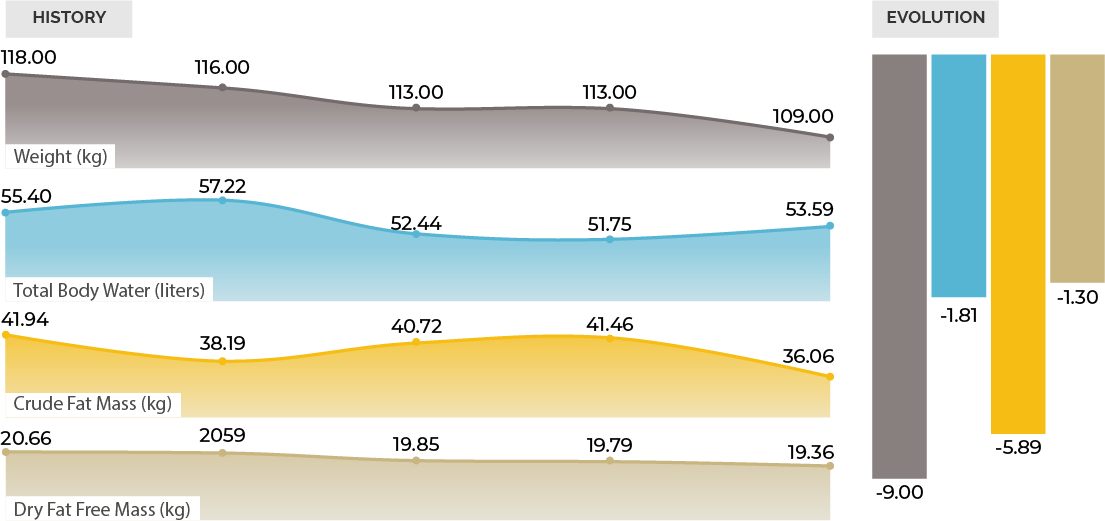
In clinical nutrition, weight and BMI are not sufficient to assess the real nutritional status of a patient. Measuring body composition by bioimpedance allows distinguishing fat mass, muscle mass, and hydration status, identifying malnutrition, sarcopenia, or sarcopenic obesity early, and tracking the real impact of nutritional care. It constitutes a key tool to personalize interventions, secure follow-up in complex contexts (obesity, GLP-1 treatments, bariatric surgery, geriatrics), and guide clinical decisions beyond simple weight.
The new definition of obesity reinforces the importance of measuring fat mass, making bioimpedance a key tool.
Furthermore, impedance analysis is essential to avoid the loss of lean mass and sarcopenia, by adjusting the patient’s nutritional and therapeutic strategy.
Hinde Iraqi
Professor of Endocrinology & Metabolic Diseases
For over 20 years, I have based my consultations on bioimpedance. This tool allows me to precisely monitor the loss of fat, muscle, and water mass, which is essential in post-bariatric surgery.
My patients better understand their body composition thanks to Aminogram’s clear and easy-to-read reports, thus facilitating exchange and interpretation.
Pierre Dez
Medical Nutritionist
Phase angle could be a marker of sarcopenia and tends to decrease with age. Thanks to Biody Xpert, we monitor this indicator precisely, which allows us to detect muscle loss and adapt prevention strategies.
Nathalie Jaquelin-Ravel
Specialist in Clinical and Metabolic Nutrition
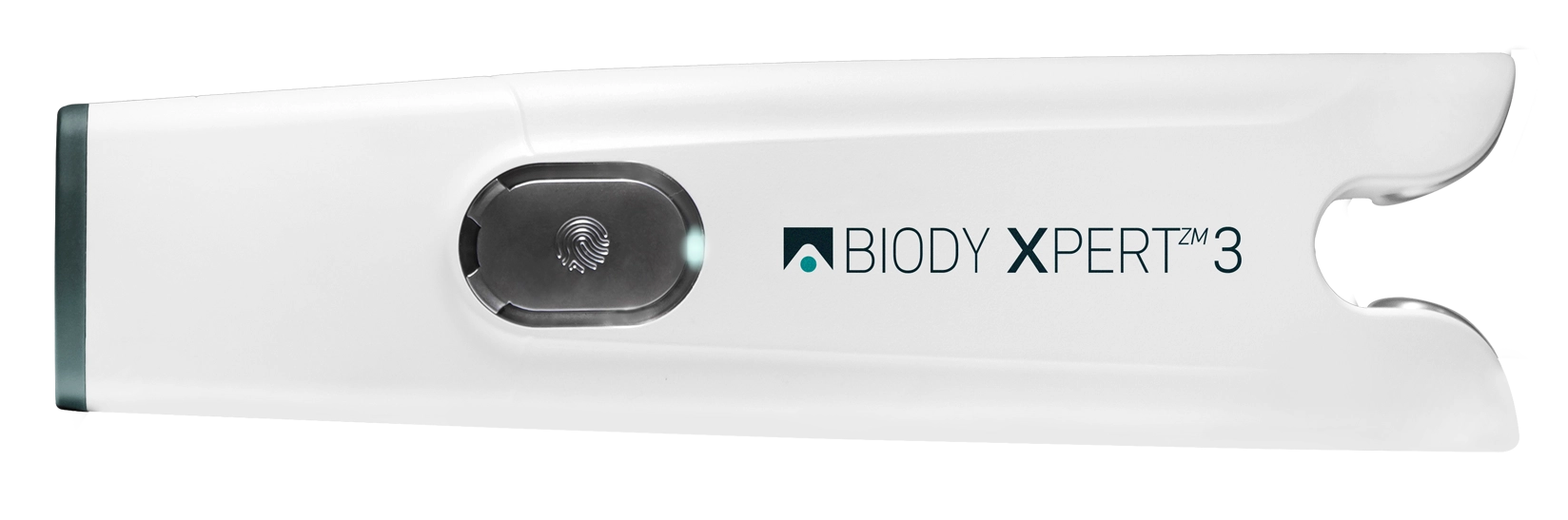
I use bioimpedance with the Biody XpertZM3 systematically. This tool allowed me to help an obese patient lose 50 kg of fat mass while preserving his muscle mass. It is a quick, inexpensive, non-invasive, and precise method for adjusting our therapeutic decisions.
Nadir Griene
General Practitioner Specialized in Metabolic Diseases
Gérer le consentement
Pour offrir les meilleures expériences, nous utilisons des technologies telles que les cookies pour stocker et/ou accéder aux informations des appareils. Consentir à ces technologies nous permettra de traiter des données telles que le comportement de navigation ou les identifiants uniques sur ce site. Le refus ou le retrait du consentement peut avoir un impact négatif sur certaines fonctionnalités et caractéristiques.
Fonctionnel
Always active
Le stockage ou l'accès technique est strictement nécessaire pour permettre l'utilisation d'un service spécifique demandé explicitement par l'utilisateur.
Preferences
The technical storage or access is necessary for the legitimate purpose of storing preferences that are not requested by the subscriber or user.
Statistiques
Le stockage ou l'accès technique qui est utilisé exclusivement à des fins statistiques.The technical storage or access that is used exclusively for anonymous statistical purposes. Without a subpoena, voluntary compliance on the part of your Internet Service Provider, or additional records from a third party, information stored or retrieved for this purpose alone cannot usually be used to identify you.
Description du marketing
Le stockage ou l'accès technique est requis pour créer des profils d'utilisateurs à des fins publicitaires ou pour suivre l'utilisateur sur un site web ou sur plusieurs sites à des fins similaires.