



Bioimpedance: Practical Cases and Best Practices (French)
Menopause and body composition: contributions of bioimpedance

The physiological transition of menopause Menopause is a period in women’s lives characterized by a significant number of physiological changes, the main cause of which is the progressive decrease in hormone secretion by the ovaries, particularly estrogens¹. It generally lasts 4 to 5 years at a median age of 51 years²,³ and is characterized mainly […]
APA and BIA: applications in obesity and geriatrics (French)
Intra-rater reliability and agreement of a portable bioelectrical impedance analysis device for body composition assessment
Javier Espasa-Labrador, Álex Cebrián-Ponce, Raúl Galindo-López, Alfredo Irurtia, Jordi Porta, Raúl Fernández-Garcia, Quim Rosales, Marta Carrasco-Marginet,Intra-rater reliability and agreement of a portable bioelectrical impedance analysis device for body composition assessment,Measurement,Volume 259, Part A,2026,119550,ISSN 0263-2241,https://doi.org/10.1016/j.measurement.2025.119550.(https://www.sciencedirect.com/science/article/pii/S0263224125029094)
Phase Angle: A Marker to Monitor Athletes’ Fitness Status
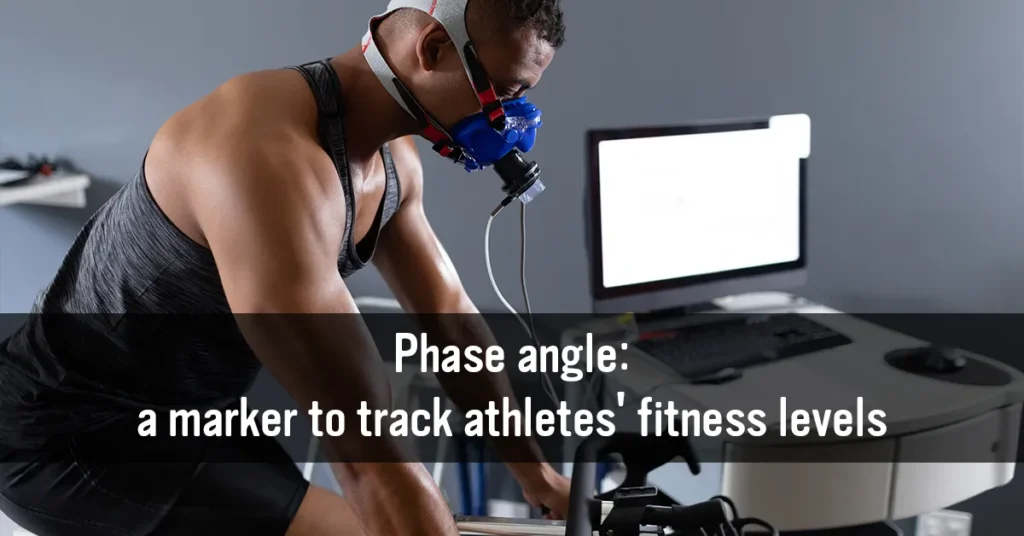
Phase angle reflects cell-membrane integrity and health status; in athletes, it serves as a fitness marker. Acute exercise induces physiological stress; tracking phase angle helps adjust training load and recovery to optimize health and performance.
The Phase Angle: What Is It and Why Is It Becoming Necessary?

Phase angle is a raw bioelectrical parameter from bioimpedance, reflecting cell-membrane integrity and function. A high value is associated with good health; a drop between two measurements usually indicates deterioration. It also depends on age and BMI, hence reference values.